The employer platform by AhaTherapy
“Sab theek hai.”
The most practised lie at work.
Behind it sit sleepless nights, EMI maths, a parent's diagnosis, a burnout nobody's named yet. Aha Health exists for everything underneath — whole-person care your people actually use (20% in the first month, against the industry's 5%), and the intelligence to know it's working.
Supporting 250,000+ lives at








- 250,000+
- lives supported across India
- 20%
- of employees engage in their first month — 4× the EAP average
- 300+
- verified psychologists, 15+ clinical modalities
- 4 hours
- emergency response SLA — miss it and the month is refunded
Who this is really for
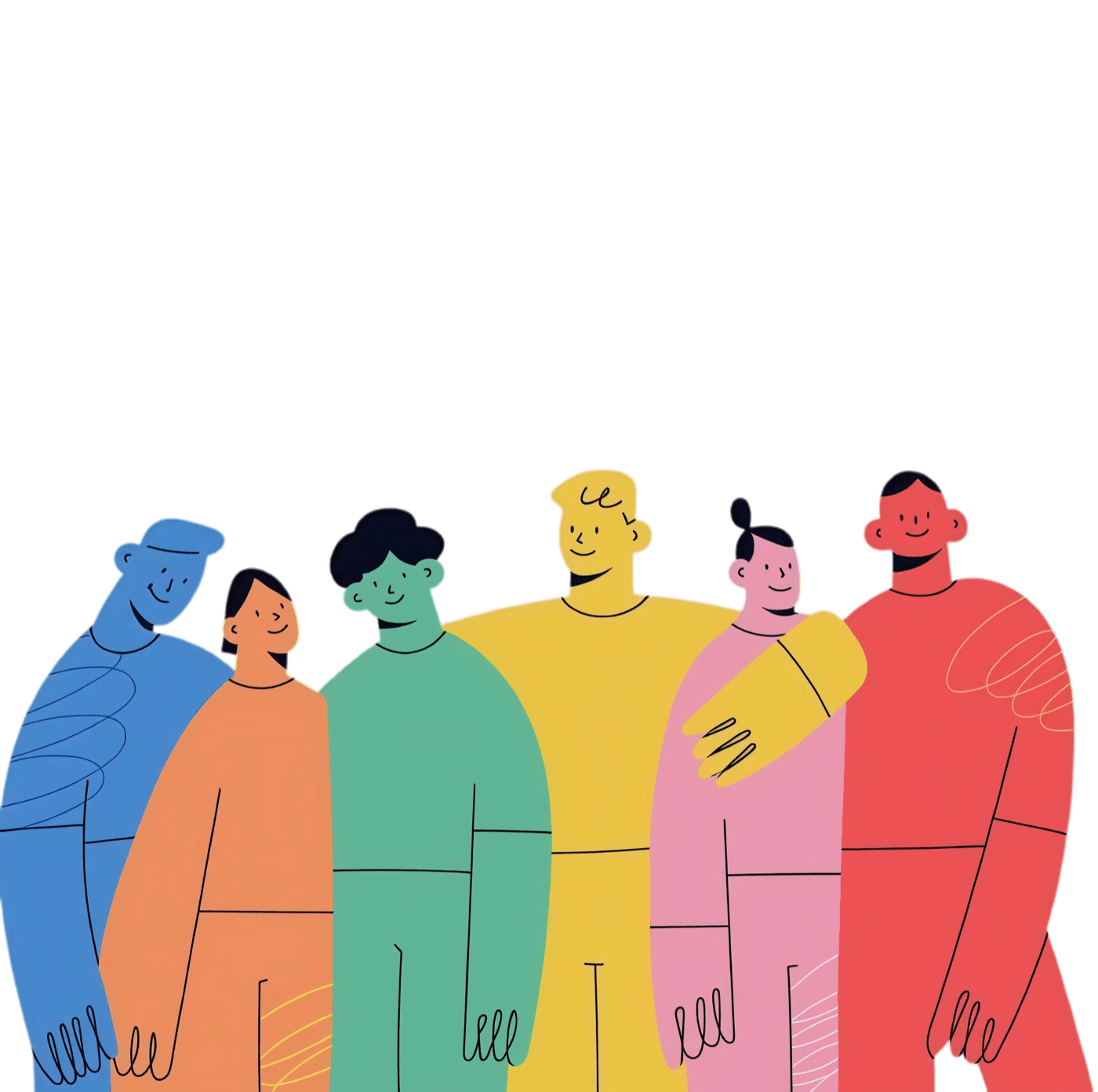
The engineer in his third “crunch quarter” this year, who answers “all good” in every single 1:1.
The new mother back from leave — standup at 9:30, feed at 3 a.m., and a performance review in between.
The 24-year-old in her first job, certain that everyone else in the office has it figured out.
The manager holding his team together through a layoff round, with nobody holding him.
None of them will ever call an EAP hotline. All of them will swipe a three-second check-in. That's the whole idea.
Why whole-person
Less than 5% of employees ever use a traditional EAP.
Not because they're fine — because EAPs wait to be asked, and because they address one dimension of a person whose state is shaped by many. An employee's Tuesday is their sleep, their back, their bank balance, and their sense of momentum — all at once. Addressing only the clinical dimension leaves most of the picture invisible.
Aha Health covers all four — each module useful alone, and exponentially more useful together. Read the science →
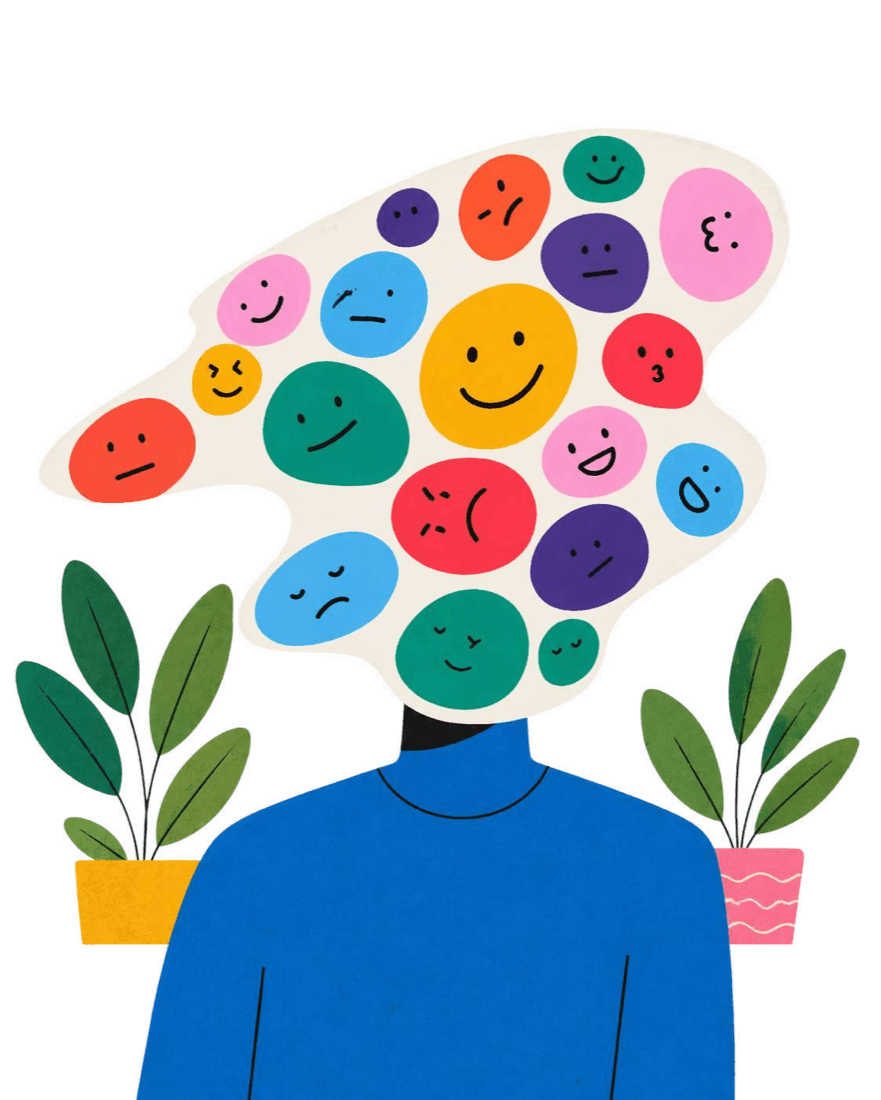
How they're coping — stress, mood, the weight they carry quietly.
How they slept, how their back feels after eight desk-bound hours.
The EMI, the tax notice, the salary that never quite stretches.
Whether they feel any momentum — at work, and outside it.
The modules
Start where it makes sense. Expandwhen you're ready.
No pressure to buy everything upfront. Organisations typically begin with Mind and Body, then add modules as engagement proves value.
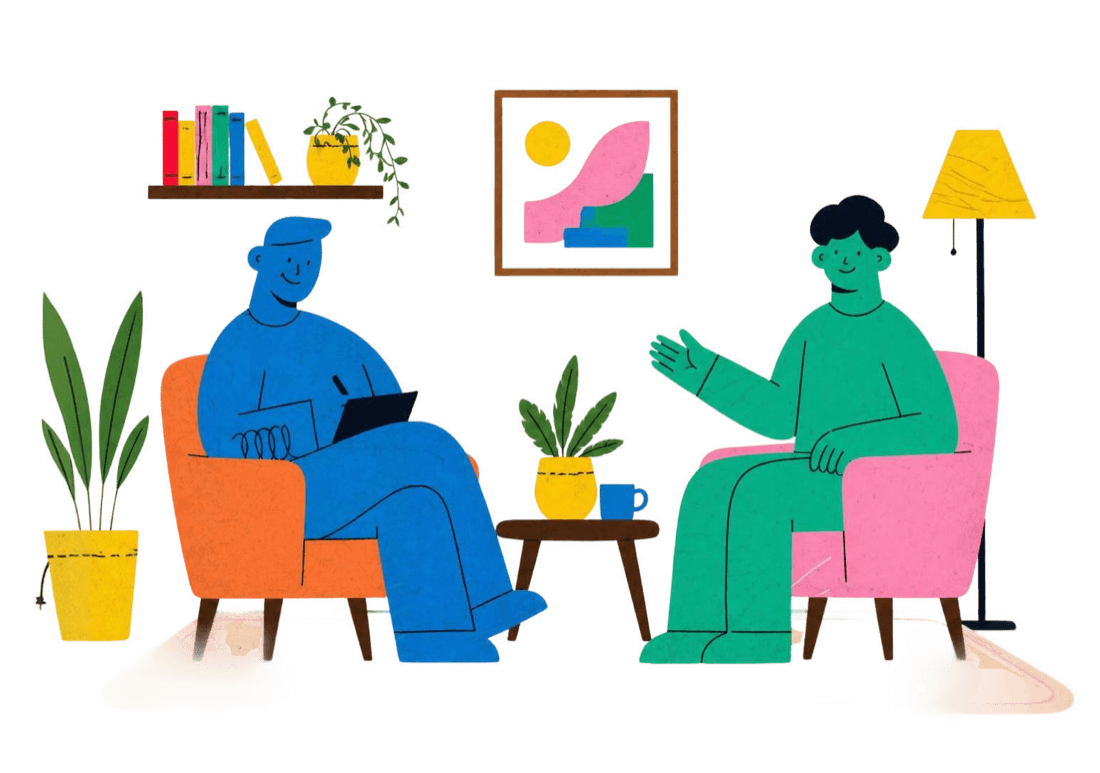
Mind
Live nowClinical mental health
Mind is where Aha Health began: the most clinically rigorous, most differentiated part of the platform. Every other module connects back to it — because unaddressed mental health is what turns a physical problem into a crisis, a financial stressor into paralysis, and a bad day at work into a burnout..
Explore Mind →
Body
Phase 1Physical health & movement
Physical health in corporate India is quietly broken: eight to ten hours at a desk, no movement, poor posture, irregular meals. Nobody is having a health crisis — they're just gradually becoming less well, and the organisation has no visibility into it.
Explore Body →
Life
Phase 2Aha in Real Life
Every other module is private — and that privacy is essential. But invisible benefits don't build culture.
Explore Life →
Money
Phase 3Financial wellness & planning
An employee worried about a loan EMI, confused about their PF, or losing sleep over a tax notice is not fully present at work — and nobody in the organisation knows. Most companies offer nothing beyond a payslip.
Explore Money →Product philosophy
Low friction in. High value out.
Most wellness apps fail because they demand effort before delivering value — and engagement dies within two weeks. Every Aha touchpoint asks as little as possible: a home-screen widget, one swipe, one tap. Three seconds, app never opened.
By Friday, that signal becomes a weekly digest that shows the employee something true about themselves they didn't consciously know. That's the moment they open the app voluntarily — because the platform earned it.
See how the platform works →Today · 3-second check-in
How are you feeling?
Friday · your weekly digest
“This was a heavier week than last. Tuesday and Wednesday stood out — here's what that pattern might mean.”
Workplace programmes
Culture is built in conversations.
Manager training, employee workshops, team building, DEI, and 72-hour critical incident response — turning individual care into organisational outcomes.
- Mental Health First Aid certification for managers
- Evidence-based team interventions — not trust falls
- Critical incident response with psychological first aid
- Branded campaigns that make wellbeing feel like culture
Module 05 — Advocate
HR protects the company. Aha advocates for the employee.
Every employee is onboarded from day one — not just employees in difficulty. So when a hard moment arrives — the bench, a PIP, an exit — Aha showing up doesn't feel like surveillance. It feels like the platform checking in, the way it always does. What an employee shares with Aha stays with Aha: end-to-end encrypted, with employers seeing patterns, never people.
For HR & leadership
Patterns, never people.
Every module feeds an organisational intelligence layer — anonymised and aggregated by design. Instead of utilisation reports nobody reads, leadership sees where to focus, what to invest in, and what is silently draining their people.
See the dashboard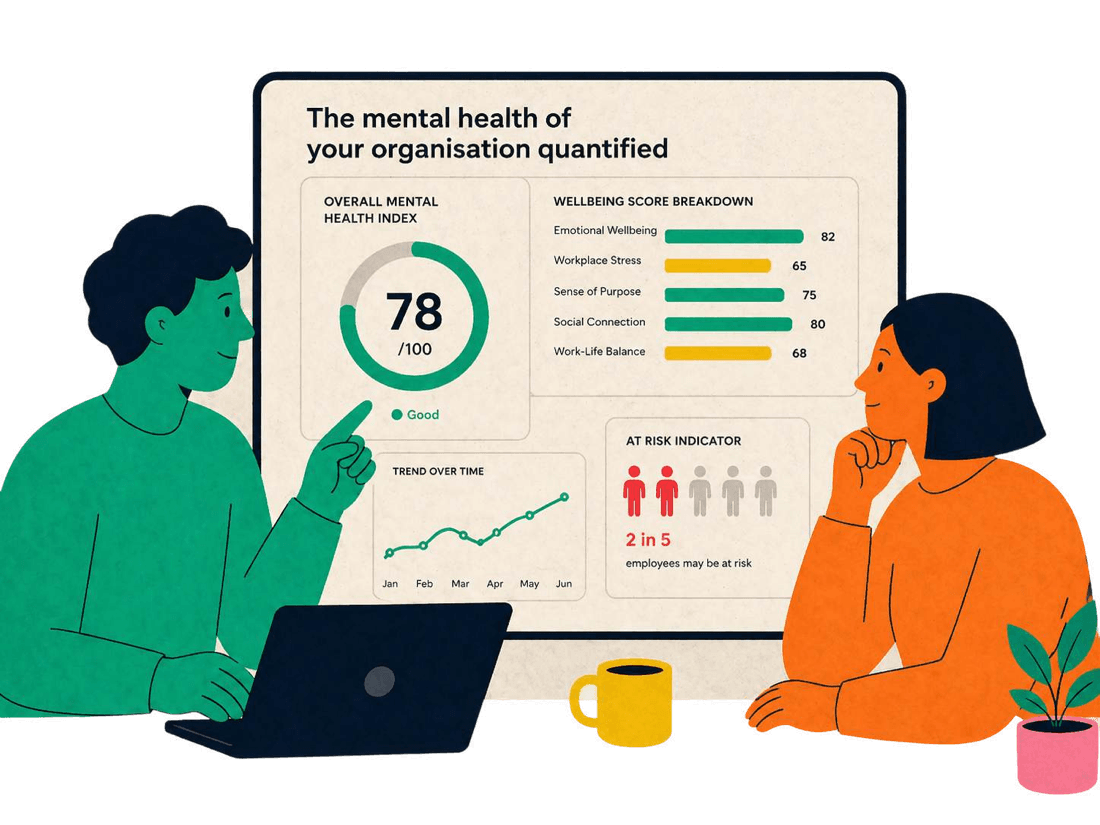
Mood & stress trends
By department, team, or location — never by individual.
Burnout early warnings
At-risk cohort signals before problems compound into attrition.
Utilisation that justifies spend
Engagement and pre/post clinical scores — the metrics HR actually needs.
Cross-module patterns
Financial stress showing up as anxiety. Poor sleep preceding therapy bookings.
What our partners say
We'd renewed the same EAP for years and quietly accepted that nobody used it. The difference with Aha was visible in the first month — people I'd never expect were doing check-ins, booking sessions, showing up to the workshops. The dashboard finally gave me something real to take to leadership.
Deepam Sharma
Head of People Ops · Cars24
What convinced our students wasn't the app — it was the privacy. Once they understood the institute genuinely cannot see who uses it, usage took off. The crisis SLA isn't a brochure line either; we've seen the response time ourselves.
Ishan Singh
Student Wellness Lead · Masters' Union
Culture work usually runs on instinct. The quarterly review gives it evidence — a wellbeing index, at-risk signals, what actually changed after each intervention. It's the first people-investment I've seen that reports like a product.
Rashmi Desai
Head of Culture · Meesho
The cost of doing nothing
What is invisible wellbeing costing your organisation?
Your organisation
Assumptions: ~40% of employees report work stress affecting their mental health (Deloitte India); ~15% of working-age adults live with a mental health condition (WHO); stress-linked absenteeism and presenteeism cost roughly 18 working days per employee per year — about 7% of payroll. Estimates, not diagnostics.
What's invisible today
200
employees likely carrying stress, anxiety, or burnout signals
75
likely to need active clinical support this year
9,000
working days lost annually to absenteeism + presenteeism
₹2.8 Cr
estimated annual productivity cost
The WHO estimates every $1 invested in scaled treatment for depression and anxiety returns $4 in improved health and productivity. A traditional EAP reaches fewer than 5% of the people above. Aha Health reaches 20% in the first month.
See what this looks like for your teamEvery seat at the table
Built for the people who decide — and the people who use it.
For HR & people teams
The benefit that finally gets used.
You've run the EAP renewal.
See what HR gets →For founders, CXOs & finance
Wellbeing that survives a CFO review.
Stress-linked absenteeism and presenteeism quietly cost organisations roughly 7% of payroll — invisible because it never appears as a line item.
See the business case →For employees & families
Support that shows up before you ask.
Aha Health comes through your employer, but it works for you.
What you get →Industries
Different floors, different pressures. One platform.
IT & professional services, BPO & shift work, healthcare, manufacturing, startups, education — and the families behind every employee.
How Aha adapts →The science
Care you can defend in front of a medical board.
Validated instruments, evidence-based therapies, CBT-I, MBSR, psychological safety research, and the biopsychosocial model — measured pre and post.
Read the evidence →From the journal
Notes on the working mind.
Workplace mental health · 6 min
Why fewer than 5% of employees ever use their EAP
It's not stigma alone, and it's certainly not absence of need.
Sleep science · 5 min
Poor sleep predicts burnout better than workload does
The burnout conversation obsesses over hours worked.
Leadership · 5 min
The manager effect: the biggest lever in workplace mental health
Surveys keep finding that managers affect mental health about as much as partners do — and more than doctors.
Questions buyers ask
The honest answers, up front.
The questions every HR leader, CFO, and employee asks before saying yes — answered the way we'd answer them in the room.
›Will employees actually use it?
20% of employees engage in their first month — roughly 4× the traditional EAP average of under 5%. The difference is design: everyone is onboarded from day one, check-ins take three seconds from a home-screen widget, and using the platform is never a disclosure that something is wrong.
›Will we see individual employee data?
No — and that's a feature, not a limitation. Organisations receive anonymised, population-level patterns: mood trends by department, at-risk cohort signals, engagement rates. Individual sessions are end-to-end encrypted and never visible to the employer. Employees who trust the platform tell it the truth, and truthful signal is the only kind worth acting on.
›How fast can we go live?
Days, not quarters. SSO (Google, Azure, Okta, SAML) and HRIS integrations (SAP, Darwinbox, Keka, Zoho, BambooHR) drop into your existing stack. Most organisations launch with Mind and Body, then expand as engagement proves value.
›What happens if you miss an SLA?
That month's fee is refunded, automatically. No forms, no arbitration. The 4-hour emergency response, 15-minute AI-to-human escalation, 24/7 crisis hotline, and 72-hour critical incident SLAs are written into every contract.
›Is it compliant for our procurement review?
Yes — ISO 27001 and SOC 2 Type II certified, DPDP compliant, with data residency in India and end-to-end encrypted sessions. Security documentation is available for your review during evaluation.
A note from the founders
“Every company says people are its greatest asset. We build for the Tuesday afternoons when that's hard to feel — the quarters that don't go to plan, the families that need more than a salary, the colleague who's been ‘fine’ for too long. We started in therapy because that's where the deepest need was. We built Aha Health because care that waits to be asked arrives too late.”
Ashutosh, Harsh & Shubham · Founders, Aha Health
We answer our own WhatsApp: +91 99117 31123
Your people carry more than their KPIs.
Thirty minutes with a founder — see what compassionate, accountable care looks like for your organisation. A tailored proposal inside five working days.